

We Asked Our Founder Your Biggest Italian Wedding Questions
Here’s what she said.
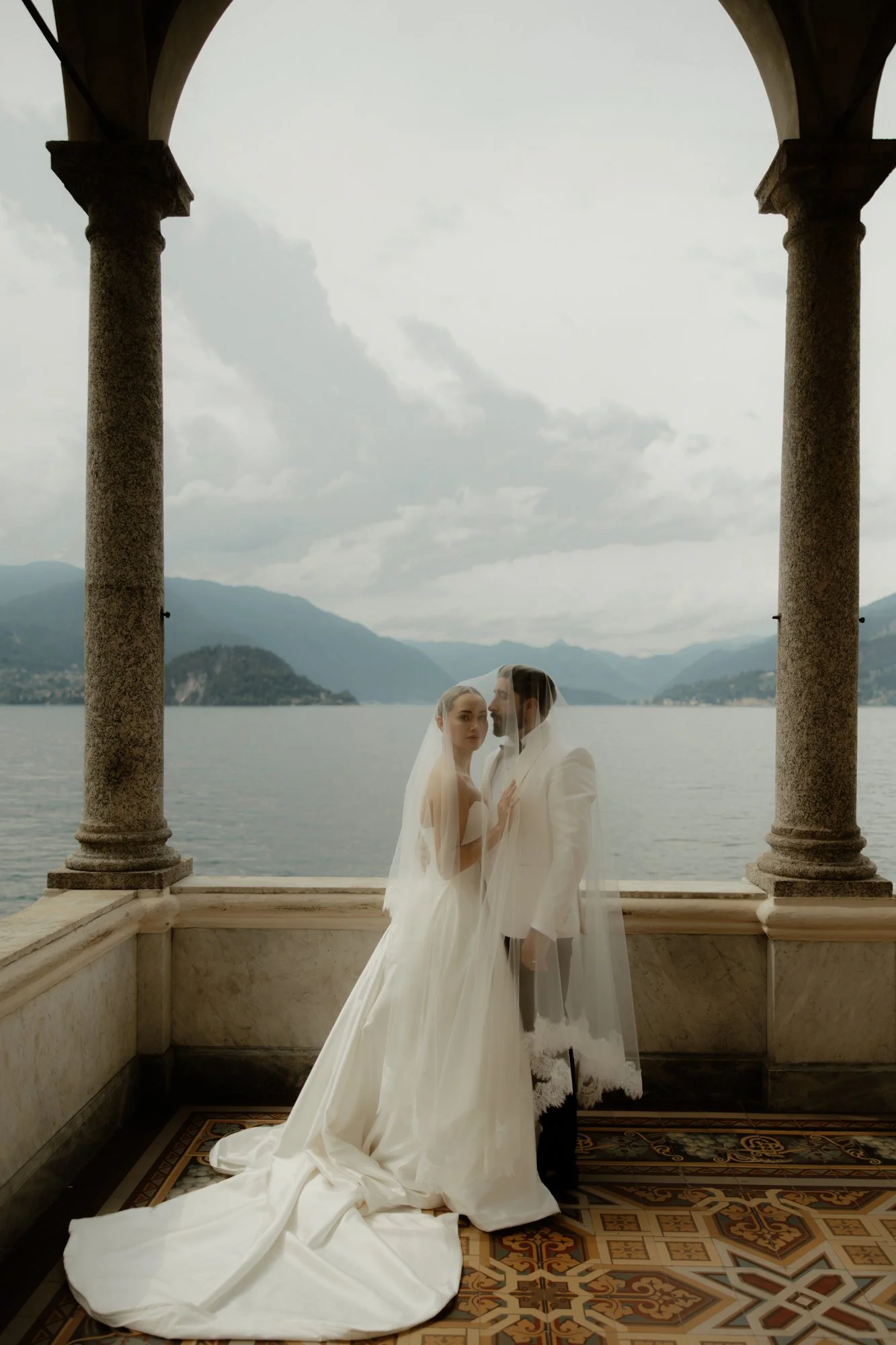
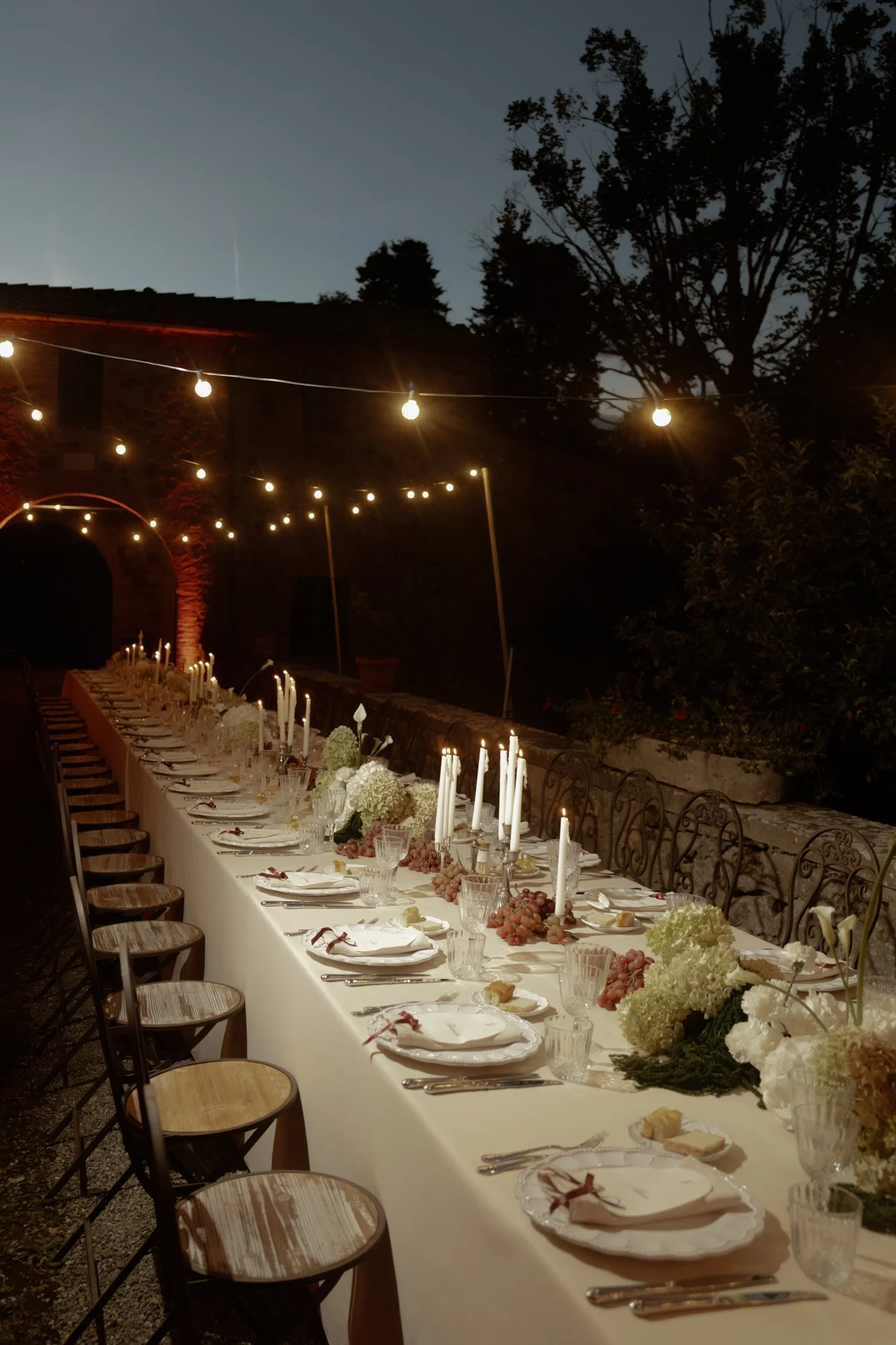
Photography: February 30th Stories
When it comes to Italian weddings, Lucy White has seen it all.
La Lista’s founder and a the wedding planner behind more than 400 destination weddings across Italy, she’s spent over a decade answering every “what if?” you can imagine.
We asked her your biggest questions, from timing and weather to dress changes and contingency plans, and got the honest answers you need.
Have a question for Lucy?
Inside The Club, Lucy answers couples’ questions like these every week with the same honest, specific advice she gives her own clients. Come on in and ask her anything.
Q: What's the best time of year to host an Italian wedding?
A: The bottom line is that no month is guaranteed dry or cool. July and August are hottest and rain is more likely outside the June–August window but can still hit any time. I’d recommend early June, or late August into September. The heat really sets in mid-June through mid-August, then the rain arrives. Patterns are shifting though, so don't be surprised by flash thunderstorms and heavy rain through summer too, especially in the north and Tuscany. It's worth checking the weather from recent years before booking and whatever month you choose, have a good plan B.
Q: Our wedding is planned for peak summer. What time should we have our ceremony to keep guests comfortable?
A: Honestly, no one will be fully comfortable in the mid-summer heat, whatever time you choose, so focus on how to get the best outcome overall. It won't really cool down until 8 or 9pm, and you can't push the day back that far. If you’ve already considered our wedding timeline advice, stick with your plan and focus on making guests as cool as possible within it. Large fans just move hot air around. Individual misters, shade and plenty of hydration will do far more for you.
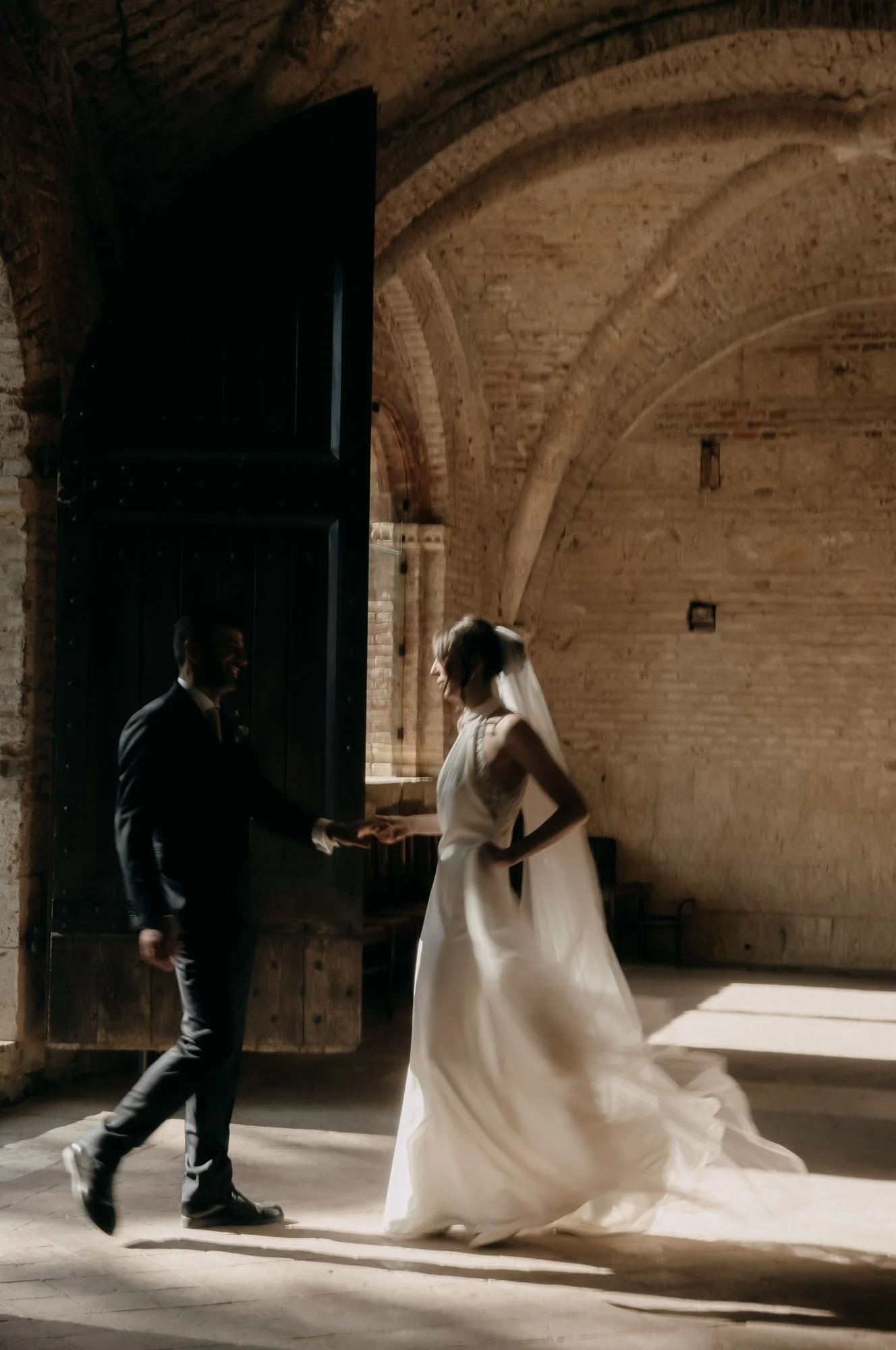
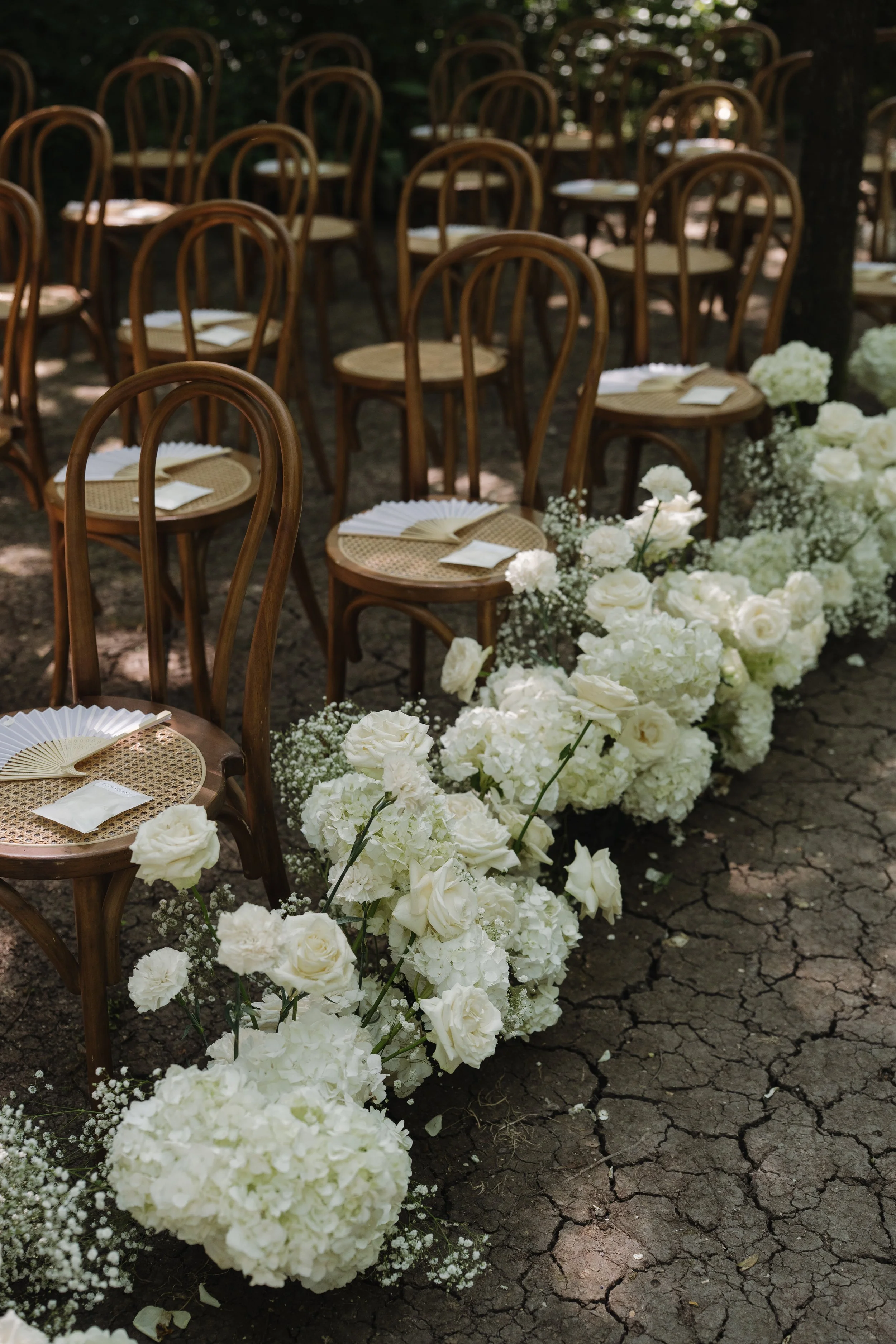
Image 1: Emma-Jane Lewis | Image 2: Clara Buchberger
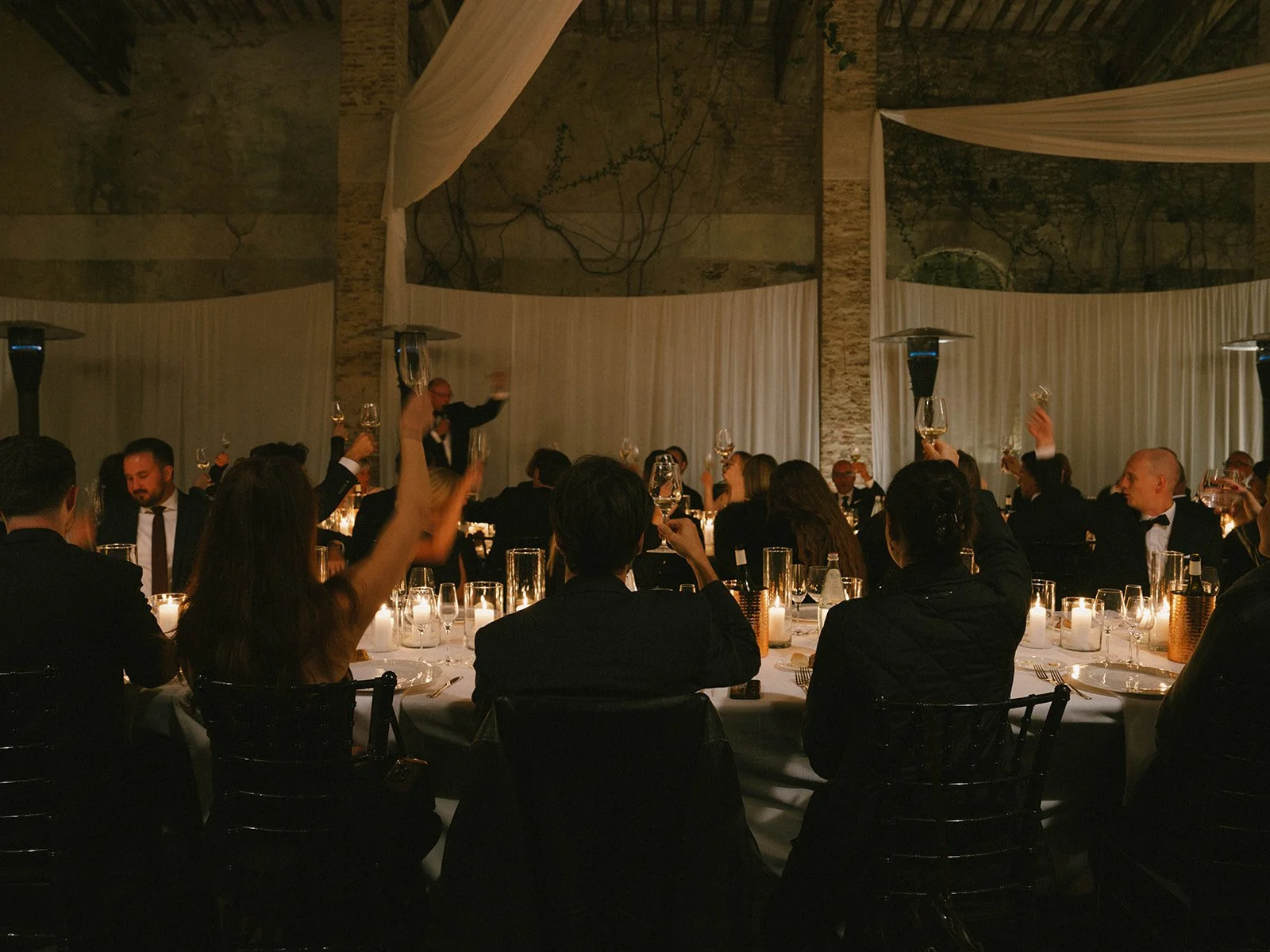
Q: Any advice on speech timing, especially if we're allowing a second speech?
A: There's no single perfect formula, it depends on the light, the courses, how long they take to cook and how confident your speakers are. Spreading speeches out sounds good in theory, but in my experience it prolongs dinner, leaves guests waiting for the next one, and can compromise the food. If you're being relatively traditional, my favourite flow is: walk in straight into the welcome speech, groom's speech and father of the bride, then antipasto and primo, two more speeches, secondo, cake. If you have several speeches to fit in, spread the extras across the welcome event or aperitivo, just remember aperitivo can move quickly with photos and table viewings. Using a speech as a transition moment when you've already got everyone's attention, like walking in to dinner, makes the whole day feel more elevated.
Q: What's the best way to move guests from dinner into an indoor nightclub later in the evening, without losing all the energy?
A: It depends how far apart the spaces are and what you have to work with, but moving guests with musicians rarely works. The best tool is always an MC, because it's unambiguous. Keep the energy high through cake cutting, good music, you two dancing, then someone simply says "let's go party," short and clear, so everyone knows what to do next. You lead the way. Have music already blaring in the party space before you arrive. A musician or singer can MC this transition too, but only if it's done really well.
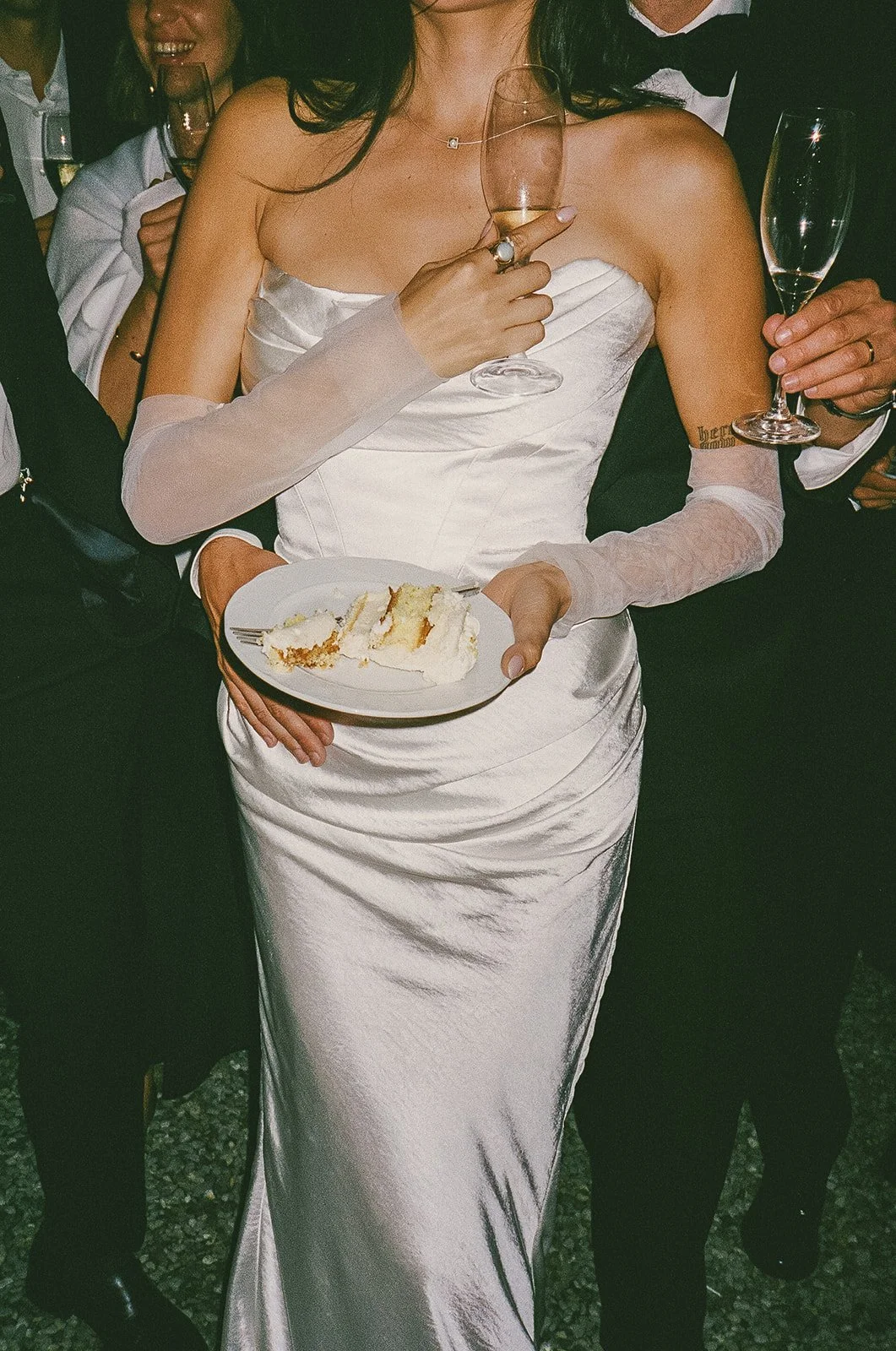
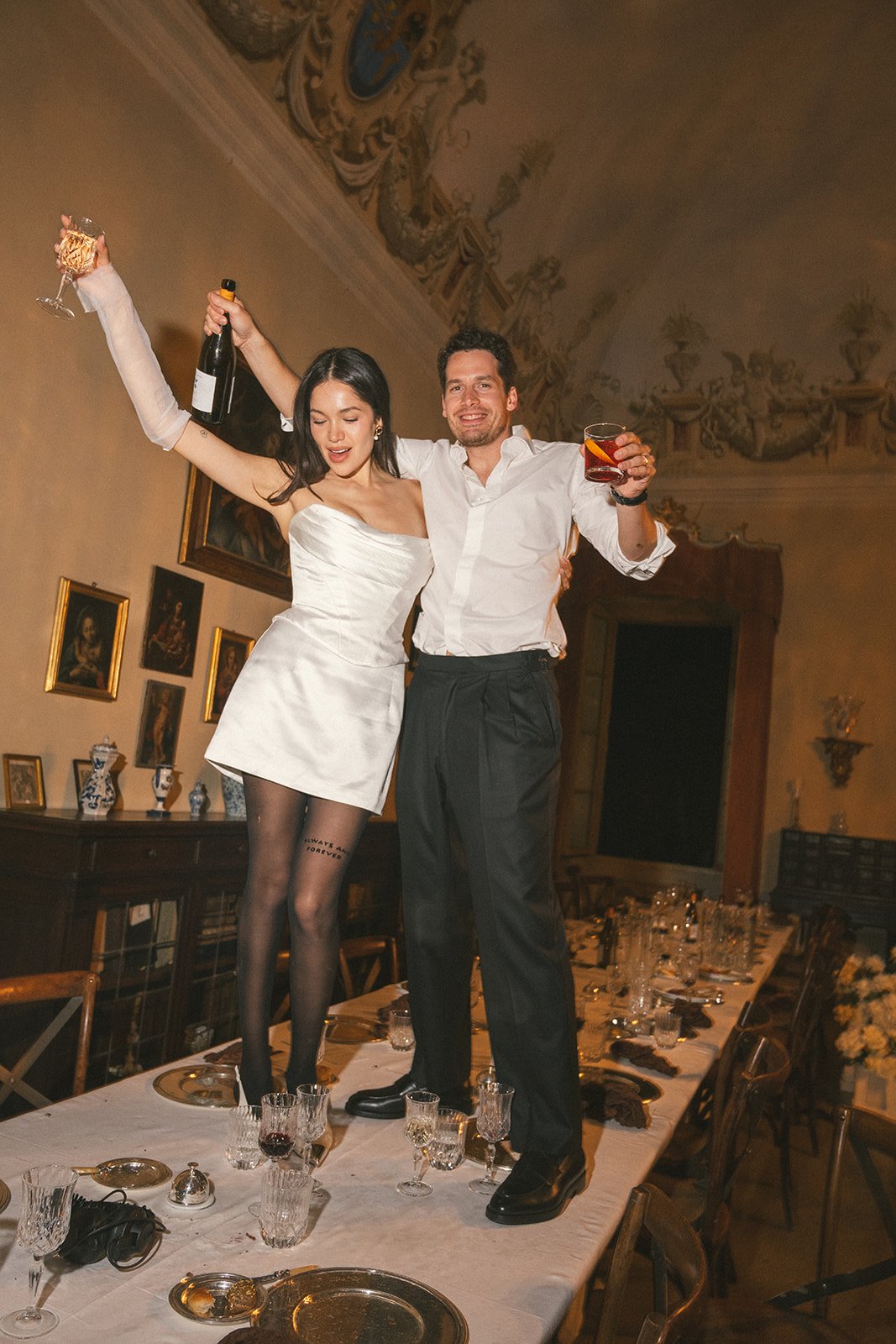
Q: When's the best time to do a dress change?
A: Think about how long you actually want to wear your dress. Do you definitely want to do your first dance in it? I see so many brides change and instantly you can see the relief and freedom. If you want to make the change earlier in the evening, have the second dress ready and don't wait. Don't suffer through your own party for the sake of photos in "the dress."
Photography: Ela Tatiana Photography
Q: We have a full venue buyout and guests need to contribute toward accommodation costs. What's the best way to communicate that clearly?
A: This is a very common challenge for destination weddings. The most important thing is clarity. People will come if they can, and you're not obligating anyone. Before you send anything, decide whether you're allocating specific rooms or running it first come, first served. My suggestion is to allocate rooms and assign a cost per room, then:
Mention in your save the date that you've held a room for them on site, with more details to follow, and link to a website form to collect email addresses.
Send each couple the exact room type, whether it includes breakfast, the payment plan and deadlines. Set a clear deposit deadline, and link directly to PayPal or Wise so paying you is as easy as possible. Leave room for anyone who can't afford it or wants to stay elsewhere to tell you.
Guests care deeply about where they're staying, the room quality and whether food is included, so over-communicating early saves you a huge amount of hassle later. After ten years of doing this, we find 95% of guests are thrilled with the ease of staying on site and grateful you did the organising.
Photography: BEIGE & WINE
Q: We keep hearing about vendors bringing their own content teams to weddings, sometimes without asking. How do we stop this?
A: This is more common than you'd think, a lot of vendors want their own content team on site, and often without permission. The issue is you end up being filmed by people you haven't authorised and have no control over, whose footage you'll never see or approve. They can also get in the way of your actual content team and your guests. It’s not something you should have to manage on the day. Ask your planner to build it into every vendor contract: no external content teams without prior permission. And make sure your planner has the authority to send anyone home who shows up uninvited.
Q: If a vendor or venue messes something up, what's the best way to hold them accountable?
A: It starts before the wedding, make sure your contracts are specific about deliverables. Vague contracts are very hard to enforce, so the clearer you are upfront, the more protected you are. If something does go wrong on the day, follow up in writing afterwards. Take the emotion out of it, be clear and realistic about what happened, and ask for a level of remedy that's fair and proportionate.
Didn’t see your question here, or need a more specific answer for your own day? Ask anything and get answers from Italian wedding expert, Lucy, inside The Club.

Categories
PLANNING | REAL WEDDING | BUSINESS | SUPPLIER SPOTLIGHT | INSPIRATION | WANDERLUST
