
How to have an Italian church wedding
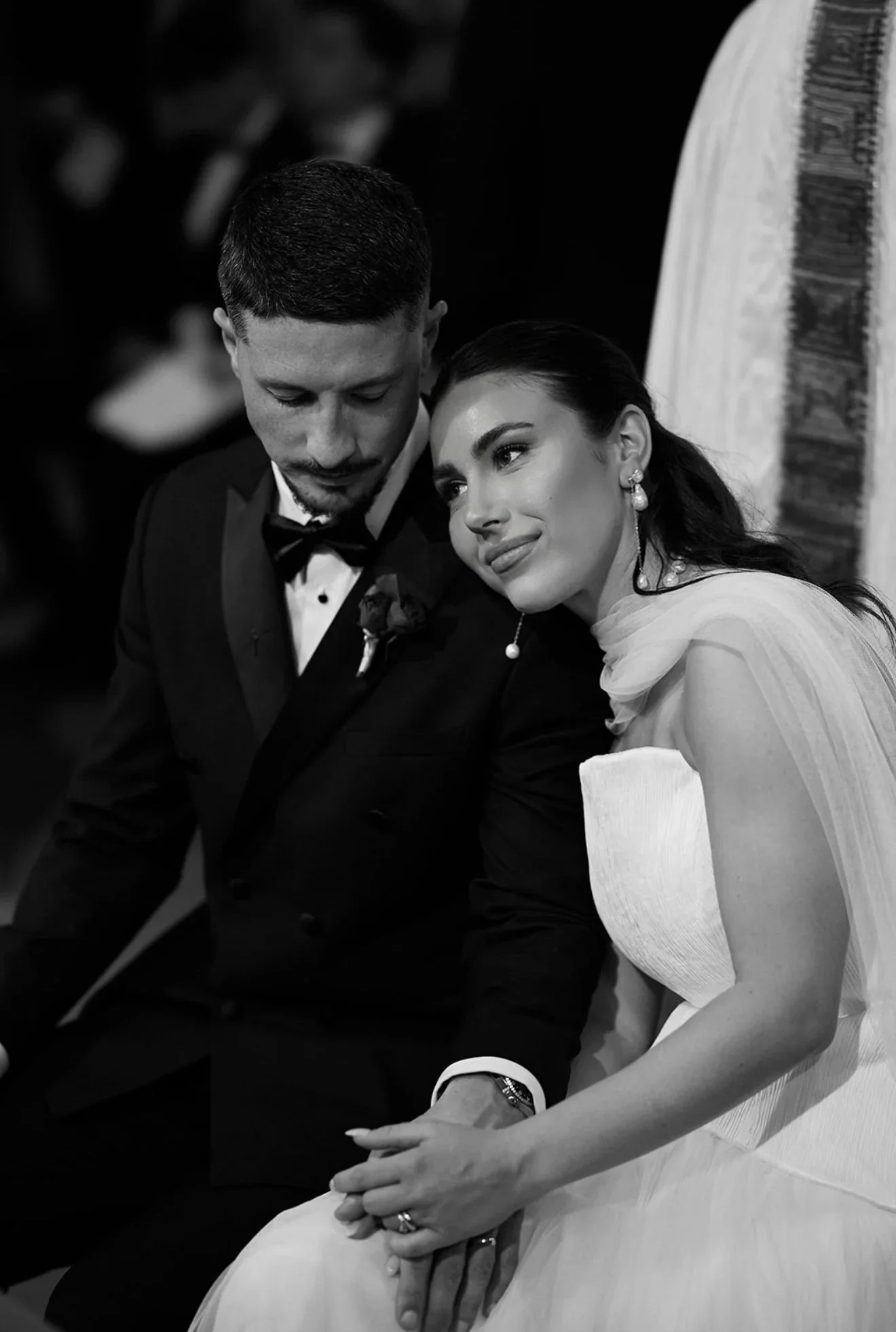
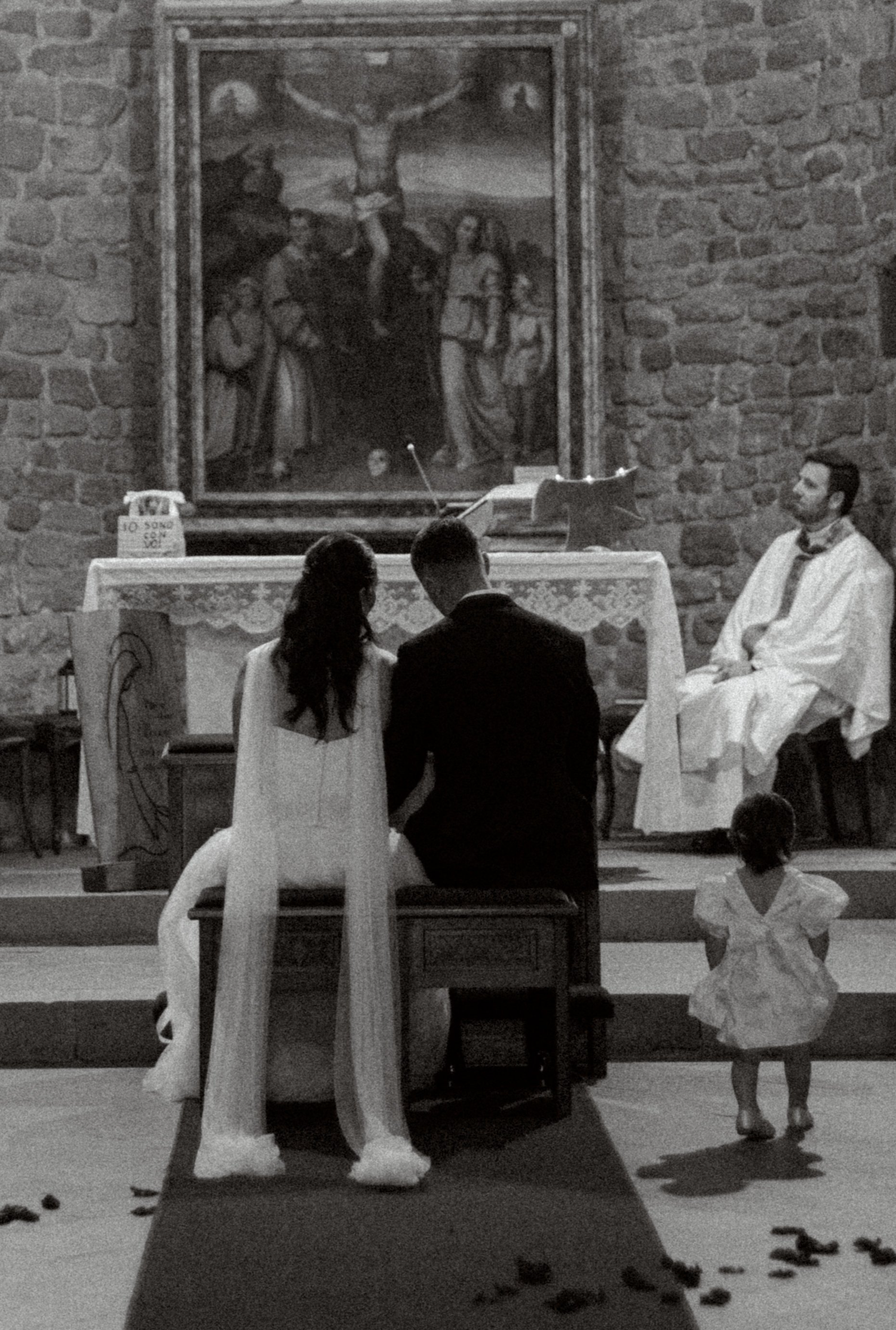
Photos: Mandy Wood Studio, Tammy Shun
There’s no denying that Italian churches are breathtaking, with their often frescoed ceilings, marble aisles and centuries of history. Saying your vows in one is a thing of dreams.
But how easy is it to actually pull off an Italian church wedding as a foreign couple? Let’s break it down.
1. Choose a church in Italy
First up, you’ll need to find a church that’s happy to host foreign weddings – not all are. You’ll also need the approval of the priest of that church, so this is very much about finding the right fit and the right person.
2. Confirm approval from your home church
Your church at home will also need to agree that you can get married abroad. If you’re both Catholic and have been christened or had communion, there’s usually nothing extra to do. If only one of you is Catholic or you’re of different religions, you’ll normally need to do a pre-marital course together and have your bishop’s office sign off on the paperwork.
There are also situations – for example if one partner has previously married in the Catholic Church – where a church wedding in Italy may not be possible without additional permissions. Your priest at home will help you understand what applies in your case.
3. Decide on your civil wedding and legal paperwork
Next, you’ll need to decide whether you’re having a civil wedding at home or in Italy. Either way, you’ll have to complete the legal paperwork in advance so you can either get married or make the legal declaration in Italy.
In our experience, having a civil wedding at home is the smoother route – you arrive in Italy with the legalities already taken care of, and the church has everything it needs from you. In that case, your Italian church wedding is usually celebrated as a religious blessing of your marriage.
It is also possible in some cases to have the civil wedding and the church ceremony combined in Italy, but that route involves extra legal steps and should be planned with bespoke, expert guidance.
4. Send your documentation to the Curia
Once that’s done, there’s a small but mighty pile of documents that need to make their way to the Curia in Italy: a letter from your priest at home, proof of your pre‑marital course (if you needed to do one), your civil marriage certificate (if you’re already legally married), plus your baptism/communion documents – all issued on formal church letterhead and usually stamped by your bishop’s office, before being sent on to the Curia in Italy.
This is where a wedding planner becomes worth their weight in gold. Coordinating documents, chasing the Curia, knowing who to nudge (and when), they’re all key parts of the process. Having someone on the ground who speaks the language and understands the system keeps everything moving.
5. Find an English-speaking priest
Finally, unless you speak Italian, you’ll likely want to find an English-speaking priest to lead your ceremony. A good planner will have trusted contacts and can help you find someone who’s flexible, warm and open to crafting a personal ceremony with you, rather than something that feels too templated.
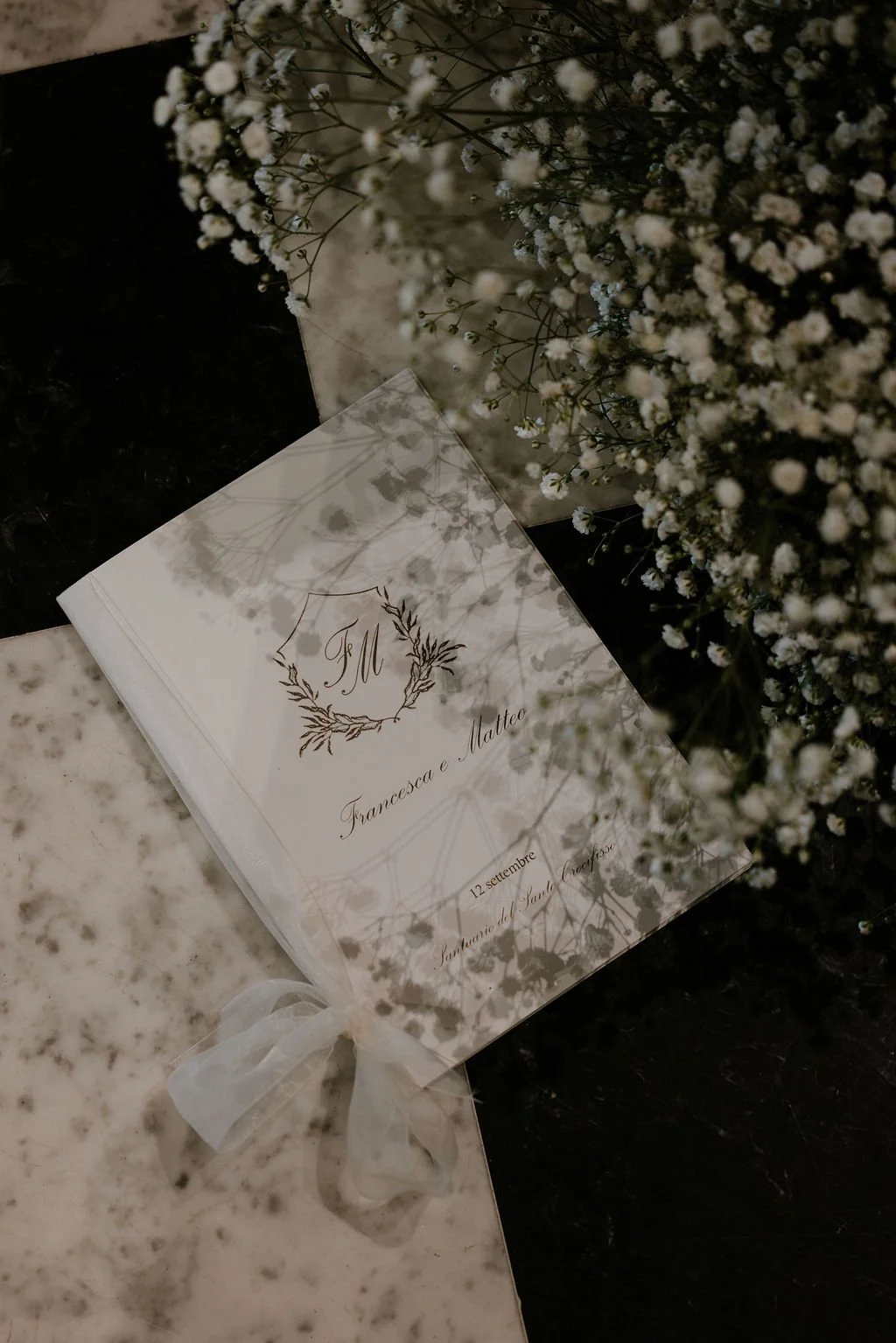
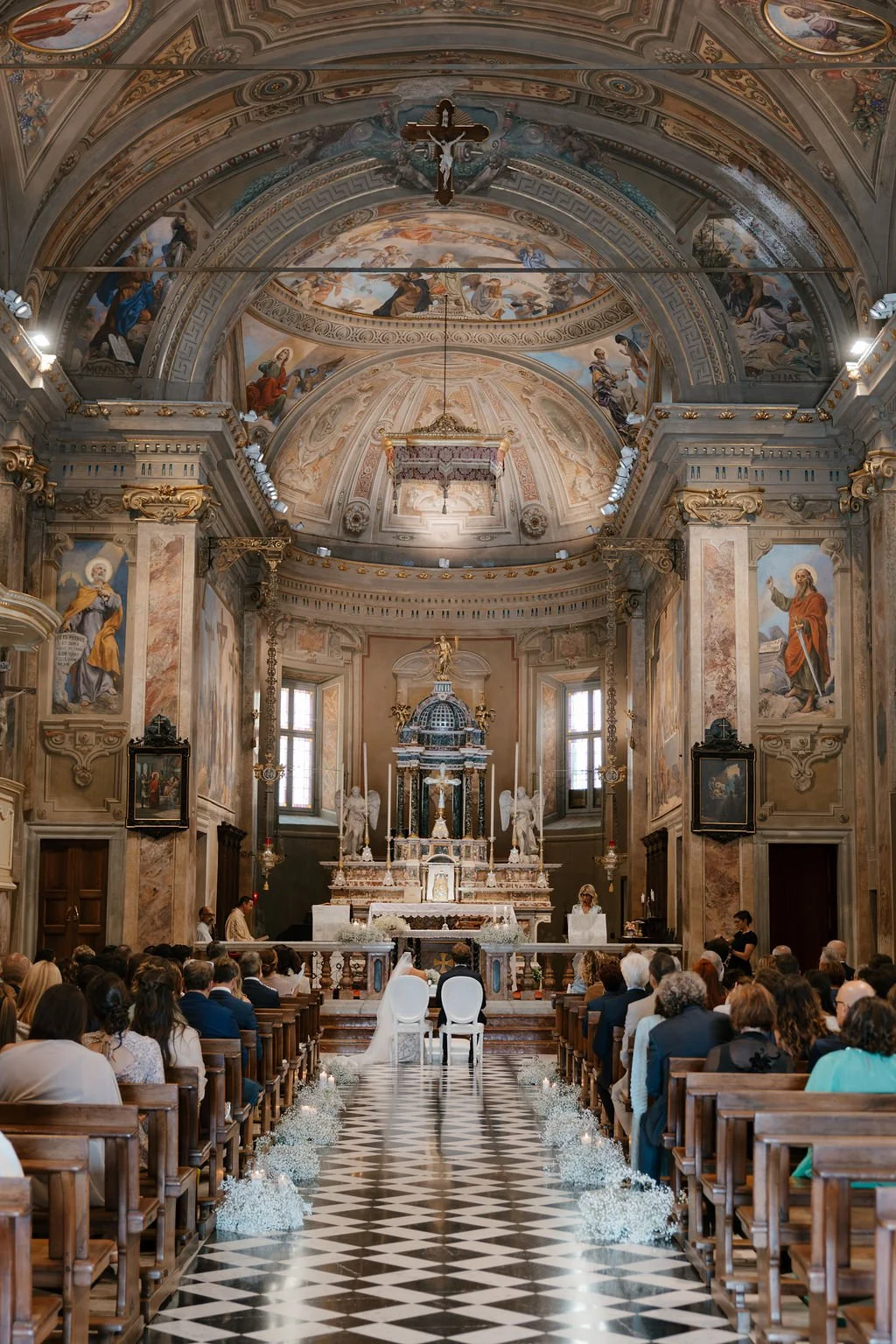
Photos: Laura Benaglia | Florals: Il Mercatino dei Fiori
An Italian church wedding may take a little more organisation than a standard civil service, but it’s absolutely possible and a completely magical experience. With the right church, the right priest and a little guidance, your Italian church wedding can be one of the most meaningful and personal parts of your day.
Join The Club to access the full Catholic Church Wedding Guidelines, as well as our Italian Civil Ceremony Guide and a close group of couples that are with you all the way to the altar.