
Who Does What On Your Wedding Day?

Image: Urška & Domen
A joyful, stress-free wedding doesn’t happen by accident. It’s all in the organisation and delegation.
From laying tables to keeping an eye on the clock, when everyone knows their role at key moments, the day runs smoothly. Hand these jobs over to people you trust so you can be present, champagne in hand, for the day you’ve worked so hard to plan.
The roles at a glance:
You: Make the big decisions in advance, then hand the reins over.
Hair & makeup: Keep the wedding morning running on time so you’re not clock-watching in the chair.
Caterer: Lay tables, serve food and drink and keep service on schedule.
Florist: Deliver, install and (if agreed) move and clear your flowers.
Planning support: A planner or coordinator who runs the day and is fully equipped to make decisions on your behalf.
No planner? Ask a trusted friend or family member to be the go-to person for any on the day decision-making or ‘fixer’ issues.
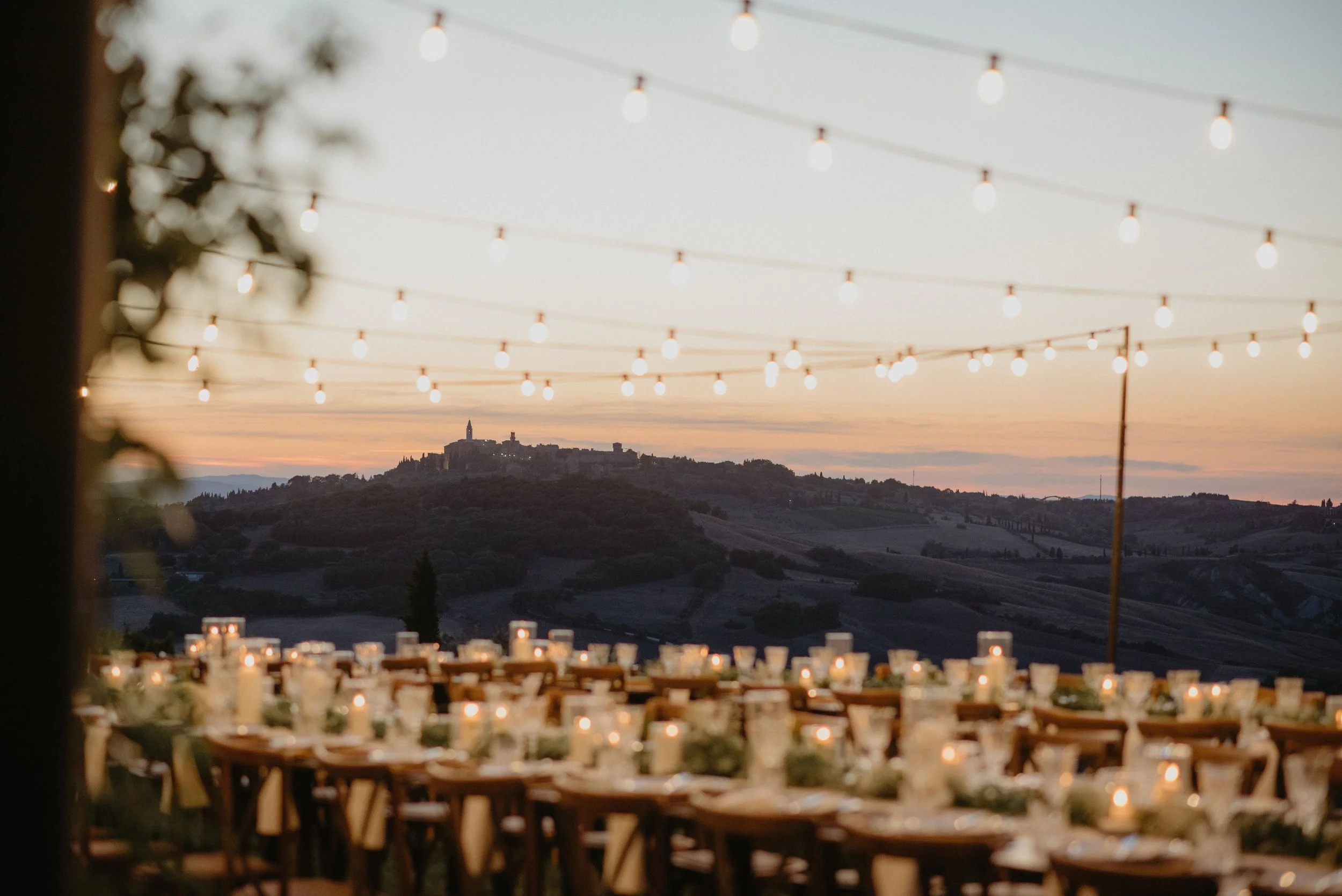
Image: We Wedding in Tuscany
The Set Up
The tone of your entire day is set before you even step into your outfit. A little prep here goes a long way.
The day before, set up a dedicated “getting ready” room with your bridal party. This should include outfits steamed and hanging, accessories laid out, plugs and good lighting planned for your HMU team, snacks and glasses within reach. The goal is to remove as many “where is the…?” moments as possible.
Print your wedding day schedule and put it somewhere obvious like the on the wall or by the drinks. Your hair and makeup team are responsible for keeping to their own schedule.
If you’re at a self-catering venue and need to have stocked fridges, that run belongs to a trusted friend or family member, not you. The same goes for putting out breakfast or coffee. Repeat after us: “I am not in charge of the supermarket trolley”.


Image: Urška & Domen
The Catering
Your caterer plays a big part in the running of the day, but their remit does have limits.
They’re usually responsible for the base layer of your reception set-up including tables, chairs, linen, crockery and glassware (sometimes the bar, depending on your contract). They’ll work to a clear service schedule from aperitivo to seated dinner, cake and late-night bites.
What they are not there to do is also act as wedding planner / stylist / crisis manager. Asking a catering manager to handle a last-minute décor reshuffle or move furniture between spaces while service is going out is a recipe for stress. On the day, they will (quite rightly) prioritise hot food and safe service.


Image 1: The Elite Group | Image 2: We Wedding in Tuscany
Timing matters a lot to the catering team. A late departure to the church or town hall pushes back drinks, delays dinner and can stretch staff hours, which can increase costs.
When you’re confirming your catering contract, be crystal clear on:
What’s included in their set-up and clear-down
Whether they move tables or furniture between spaces
How delays impact service and fees
Then protect them from extra “little jobs” so they can do what you hired them for, beautifully.
The Florals
Your florist’s work is featured throughout the day and has a logistical element to it that couples don’t always consider.
Typically, florists will:
Design and create your bouquets, buttonholes and floral decor
Deliver and install arrangements at the ceremony and reception
Sometimes move pieces between spaces (for example, altar arrangements repurposed to the reception)
Sometimes handle clear-down at the end of the night or the following day
All of this depends on your agreement. The more logistics and late-night labour involved, the higher the quote will be, because you’re paying for people and time.
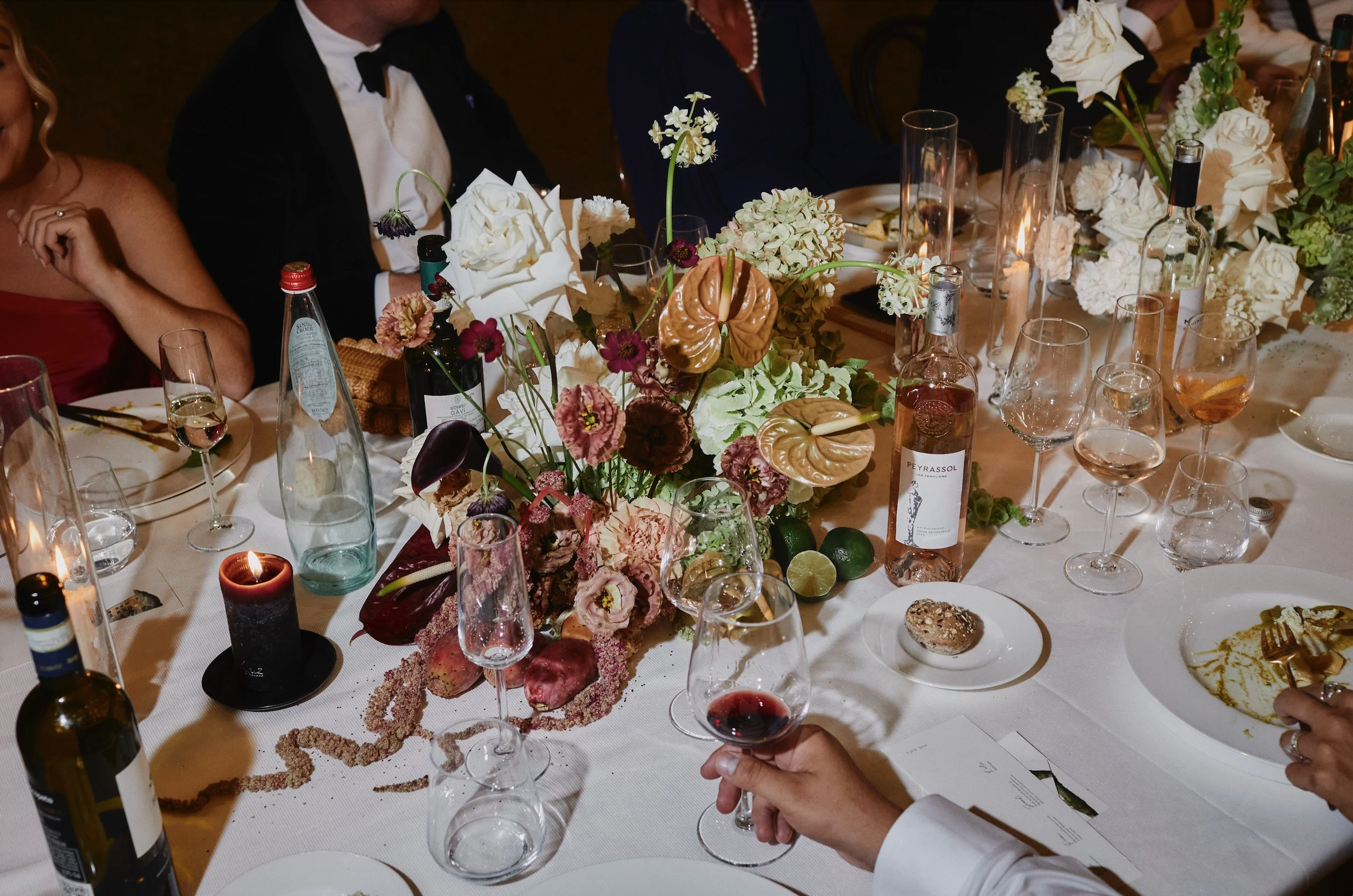
Before you sign:
Ask who will be on-site and when
Confirm whether they’ll stay to move florals between ceremony and reception
Clarify who is responsible for clear-down and what “clear-down” actually includes
Don’t assume your florist will be there at 11pm to break everything down, or will move ten heavy arrangements uphill between spaces, when none of that has been planned or costed. Give them a clear brief and let them execute it to the standard you chose them for.
Planning support: your wedding day MVP
By this point, it’s clear how many moving parts your wedding day has and how many people play a role. The question is: who’s actually running the show?
Some couples work with full-service planners. Others bring in a month-of coordinator or on-the-day support. Whatever planning support you choose, this is the only person, besides you, who sees the whole picture and knows your contracts and timings. Their job is to oversee the service and make sure each vendor can focus on what they do best, instead of being pulled into extra jobs that stretch them thin.

Image: Urška & Domen
If you’re not sure whether you need full planning, partial support or just someone on the day, we’ve broken down the different types of planning support and how to choose what’s right for you.
If professional planning support isn’t in the budget, you still need someone “in charge” who isn’t you. Choose someone calm, decisive and happy to take control, and brief them properly well before the wedding weekend. They’re the name on the vendor contact sheet and keeping track of timings. What they shouldn’t be doing is doubling up as florist’s assistant, MC, photographer’s wrangler and chief DIY-er. If they’re stuck re-tying ribbons or lighting 200 candles, they can’t keep an eye on the bigger picture.
When your wedding team comes together
There are certain moments in a wedding day that only work when several people work together and one person owns the final decision.
Wet-weather decisions are the obvious example. A last-minute switch from garden to indoors affects you, the venue, the caterer, the florist and anyone handling sound or lighting. Someone needs to monitor the forecast and make the call at an agreed cut-off time, letting each vendor know so everyone can adjust.

Image: Vision Tents
The same goes for:
Room flips: when a ceremony space becomes dinner, or dinner becomes dancefloor.
Guest transport and movement: getting people from accommodation to ceremony to reception without chaos.
Local rules and curfews: managing music cut-off times, fireworks permissions, etc.
In all of these, lots of people have a role to play, but one person has to be responsible for the decision and communication. That’s where a planner or trusted friend or family member steps in.
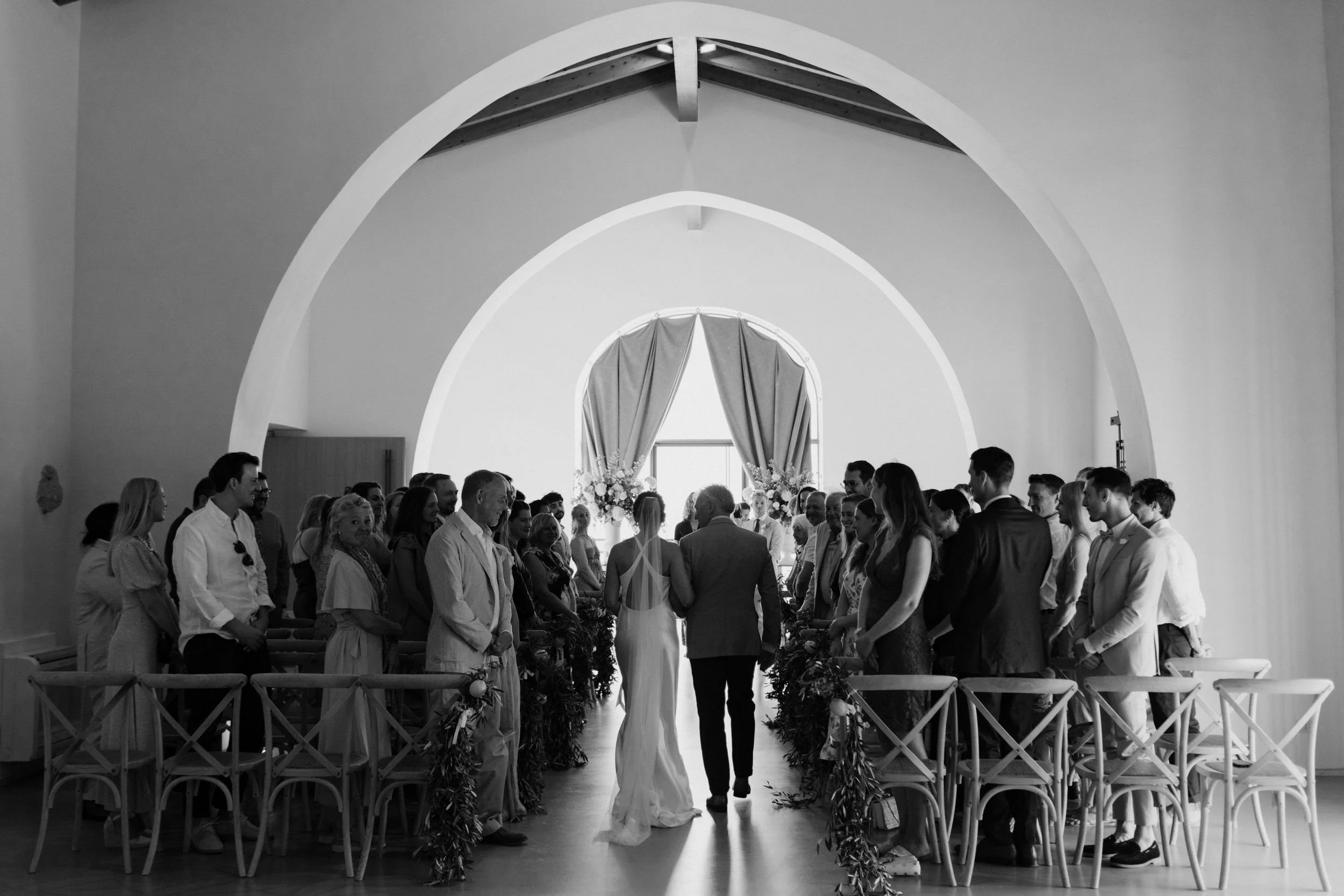
Image: Jack Stocker Photography, Masseria Amastuola
Get those roles clear, give someone else the reins and your only job is turning up and enjoying the day.
Want more Italian wedding advice like this? The Club is where you’ll find our complete suite of step-by-step planning tools, designed by an Italian wedding expert.